Source Western Style Rhinestone Belt Buckle for Garment Bag Shoe
Compare 30 listings for western style rhinestone belt buckle options made from zinc alloy with adjustable features. Buyers can review customized designs, plating colors, and packaging details from verified manufacturers in China; compare the available evidence and request quotations based on your requirements.
Key considerations
Products List


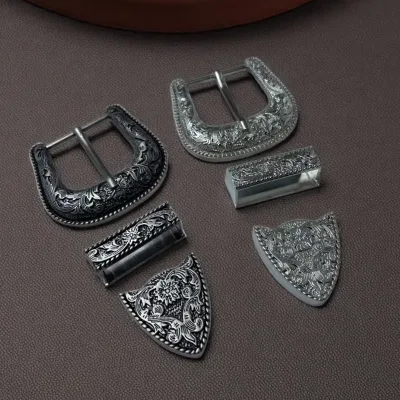
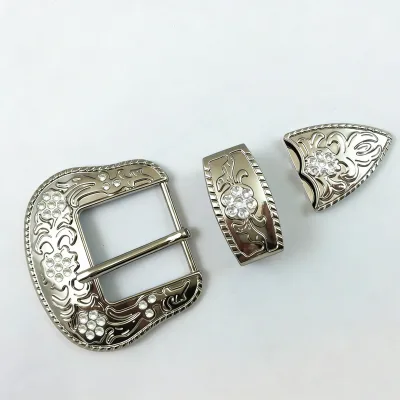
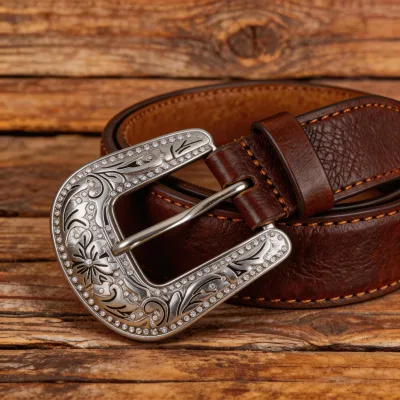
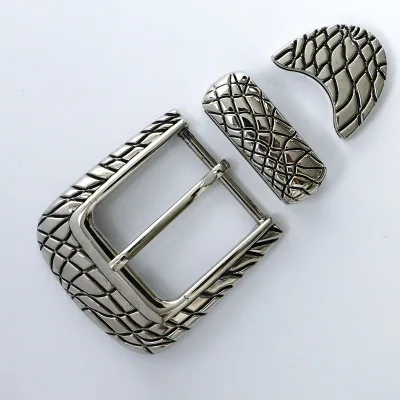


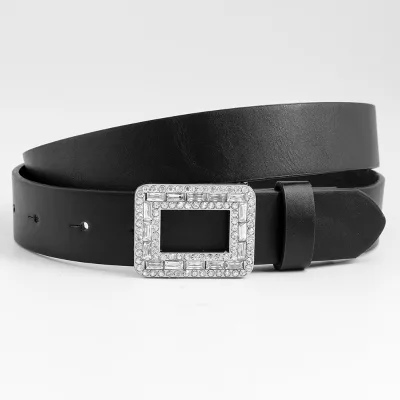
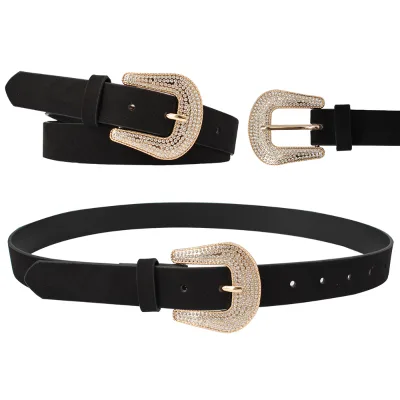


Comprehensive Sourcing Guide
Western Style Rhinestone Belt Buckle Sourcing Guide
Sourcing high-quality western style rhinestone belt buckles requires a nuanced understanding of both aesthetic appeal and functional durability. Buyers must navigate a market where decorative elements like rhinestones are often paired with robust metal bases to ensure longevity. The observed product landscape indicates a strong preference for zinc alloy constructions, which offer a balance of weight, cost-efficiency, and malleability for intricate designs. This material choice is critical for maintaining the structural integrity of the buckle while allowing for detailed surface treatments such as polishing or plating.
Procurement strategies should focus on verifying the specific customization capabilities of suppliers, as many listings highlight OEM and ODM services. The presence of adjustable features and various usage contexts, from garments to bags, suggests that versatility is a key selling point. Buyers need to assess whether the supplier can accommodate specific design requests, such as engraved logos or custom plating colors like bronze, while maintaining consistent quality across large production runs.
Product Scope and Observed Listing Signals
The current market signals indicate a diverse range of decorative buckles, with zinc alloy being the predominant material observed in listings. Products are frequently categorized under personal decorations, souvenirs, and collections, highlighting their dual role as functional hardware and fashion accessories. The observed price range of $0.1 to $10 USD suggests a wide spectrum of quality tiers, from basic mass-produced items to more luxurious, intricately designed pieces. This variance necessitates careful evaluation of material thickness and plating quality to avoid selecting items that may tarnish or break easily.
Listing attributes reveal a strong emphasis on customization, with many suppliers offering adjustable or non-adjustable options to suit different belt widths and styles. The use of terms like "luxurious" and "fashion" points to a target audience interested in aesthetic enhancement rather than purely utilitarian needs. Buyers should note that while some products are described as having anti-corrosion features, the actual durability often depends on the specific surface treatment and plating process employed by the manufacturer.
Technical Specifications to Verify
Technical verification must begin with the core material composition, specifically confirming the grade of zinc alloy used in die-casting processes. Buyers should request detailed specifications regarding the metal type and any alloying elements to ensure resistance to bending or breaking under stress. The surface treatment, often described as polished or plated, requires scrutiny to determine the thickness of the coating, which directly impacts the product's resistance to wear and corrosion over time.
Dimensional accuracy is another critical technical aspect, with observed models featuring specific dimensions such as 35mm diameter or human-shaped silhouettes. Buyers must verify that the buckle's internal mechanism, whether it involves a pin or a spring-loaded clasp, aligns with the intended application, such as belts, bags, or garments. Additionally, the single package size and gross weight should be confirmed to ensure compatibility with shipping logistics and to avoid unexpected freight cost increases due to volumetric weight calculations.
Compliance and Safety Documentation
Safety compliance is paramount, particularly regarding the presence of hazardous substances in metal hardware and decorative elements. Buyers should insist on testing reports that verify the absence of nickel, lead, and cadmium, as these materials are often restricted in consumer goods. The observed mention of SGS testing for these specific elements provides a baseline expectation, but buyers must ensure that the certificates are current and issued by accredited laboratories to guarantee the safety of the final product.
Environmental and chemical compliance extends beyond heavy metals to include the adhesives used for rhinestone attachment and the plating chemicals. Buyers should inquire about the supplier's adherence to international standards for restricted substances, such as REACH or RoHS, depending on the target market. Documentation should also cover the safety of the packaging materials, ensuring that OPP bags or paper boxes do not introduce additional chemical risks during storage or transport.
Cost Drivers and Commercial Terms
Cost structures for western style rhinestone belt buckles are heavily influenced by the complexity of the design and the volume of the order. The observed MOQ of 500 pieces indicates that smaller orders may incur higher per-unit costs due to setup fees for die-casting molds and custom plating processes. Buyers should analyze the cost breakdown to understand how much of the price is attributed to raw material fluctuations versus labor and finishing processes, which can vary significantly based on the intricacy of the rhinestone setting.
Commercial terms often include flexible payment options such as T/T or Western Union, which can impact cash flow management. Lead times are typically influenced by the customization level, with engraved logos or unique designs requiring additional processing time. Buyers should negotiate clear delivery schedules and penalty clauses for delays, as production bottlenecks in die-casting or polishing can disrupt supply chains. Understanding these variables helps in budgeting accurately and avoiding hidden costs associated with expedited shipping or rush orders.
Supplier Qualification and Quality Control
Supplier qualification should prioritize manufacturers with proven export experience and established quality control protocols. The observed six years of export experience suggests a level of familiarity with international shipping and compliance requirements, which reduces the risk of logistical errors. Buyers should verify the supplier's factory status to ensure they have direct control over the production process, from die-casting to surface treatment, rather than relying on third-party contractors who may compromise quality consistency.
Quality control measures must include rigorous inspection of the rhinestone attachment and the plating finish. Buyers should request pre-shipment samples to check for loose stones, uneven plating, or sharp edges that could damage garments or cause injury. Implementing a third-party inspection service for bulk orders can provide an additional layer of assurance, verifying that the products meet the agreed-upon specifications for dimensions, weight, and aesthetic quality before they leave the factory.
Long-Term Procurement Checks
Long-term procurement success depends on establishing a reliable supply chain that can adapt to changing fashion trends and market demands. Buyers should monitor supplier performance metrics, such as on-time delivery rates and defect percentages, to identify potential issues early. Building a strong relationship with the supplier can facilitate better pricing and priority production slots during peak seasons, ensuring a steady supply of high-quality buckles for ongoing projects.
Continuous improvement initiatives should include regular feedback loops regarding product performance in the field. Buyers should gather data on customer complaints related to durability or aesthetic degradation to inform future design iterations. By staying informed about emerging materials and finishing techniques, buyers can proactively update their specifications to maintain a competitive edge in the market, ensuring that their western style rhinestone belt buckles remain both fashionable and functional.
FAQs
What material is used for these belt buckles?
The belt buckles are crafted from zinc alloy, providing a luxurious and durable finish. This metal type ensures anti-corrosion properties, making them suitable for various garment applications. The material choice supports a fashionable style while maintaining structural integrity for long-term use in personal decorations and souvenirs.
Can I customize the design and logo?
Yes, customized designs are welcome for these belt buckles. You can request specific logos, which can be engraved onto the surface. The customization process allows for unique branding, supporting OEM and ODM requirements. This flexibility ensures the product aligns with your specific aesthetic and functional needs for collections.
What is the minimum order quantity for production?
The standard minimum order quantity is 500 pieces. This MOQ applies to the customized production runs for these zinc alloy buckles. Buyers should note that stock items are not available, so all orders require manufacturing. This threshold ensures efficient production scheduling while allowing for manageable initial procurement volumes.
How are the products packaged for shipping?
Products are packed individually in OPP bags or paper boxes. The standard carton packing contains 500 pieces per carton. This packaging method protects the polished surface and bronze plating during transit. The dimensions of the standard carton are 34 by 28 by 16 cm, facilitating efficient logistics and storage.
What certifications ensure the safety of these buckles?
The products undergo SGS testing to ensure safety and compliance. The testing confirms that nickel, lead, and cadmium are free from the materials. This certification is crucial for garment and accessory applications, ensuring the buckles meet international safety standards for consumers and manufacturers alike.
Where are these belt buckles manufactured?
These belt buckles are manufactured in China, specifically in the Fujian region. The factory has six years of export experience, ensuring reliable production capabilities. The origin location supports efficient supply chain management and consistent quality control for international buyers seeking zinc alloy accessories.